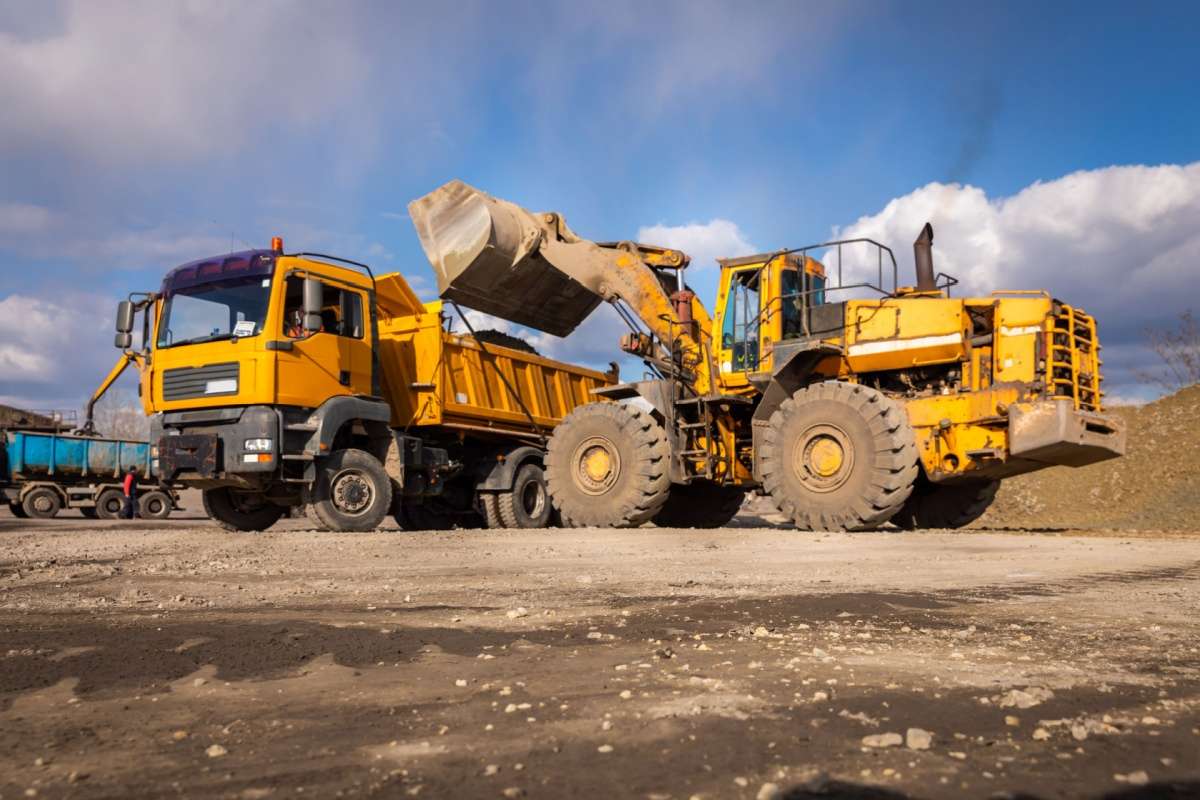
Your heavy-duty equipment puts in long hours, and its cooling system is critical for that performance. Heat exchangers and oil coolers work constantly to keep engine temperatures stable, but they need regular attention. Without it, you risk a breakdown that can bring your entire operation to a halt.
With support from a cooling system specialist like Northland Radiator, a simple maintenance routine can help you avoid unexpected downtime and costly repairs, keeping your projects on schedule and your equipment in the field.
Look for Early Warning Signs of Failure
Catching small issues early is the key to a fast and simple fix. Check your equipment regularly for these common signs that your oil cooler or heat exchanger may need attention from a cooling system specialist.
- Fluid leaks—look for drips or puddles under the machinery
- Overheating engine during normal operation
- Visible damage to the cooler fins, tubes, or housing
- Contaminated fluids, such as oil in the coolant or vice-versa
- A noticeable drop in equipment performance or power
These symptoms could point to a need for oil cooler or heat exchanger repair, and addressing them promptly helps prevent bigger problems down the road.
A Simple Inspection & Cleaning Routine
A consistent routine helps extend the life of your cooling system components. Add these steps to your regular equipment checks, as they are among the best practices for heavy-duty maintenance, to keep your machinery in good shape.
Keep It Clean
Dirt, mud, and debris can block airflow and cause your equipment to overheat. Use compressed air or a soft brush to carefully clean the external fins. Make sure you clean from the back towards the front to push debris out instead of lodging it deeper inside.
Check Your Connections
Vibrations from heavy work can loosen connections over time. Take a moment to inspect hoses and clamps to make sure they are secure. A loose clamp can lead to fluid loss and complete system failure if left unchecked.
Monitor Fluid Levels & Condition
Regularly check coolant and oil levels. If they are consistently low, you may have a hidden leak. Also, look at the fluid’s condition. If it appears milky or sludgy, it may be contaminated, which signals a possible internal cooler failure.
The Value of a Professional Cooling System Service
While your daily checks are helpful, some tasks require specialized knowledge and equipment. A professional industrial radiator service has the right tools and experience for more complex jobs.
Thorough Internal Flush & Cleaning
A professional cooling system service includes a full internal flush designed to clear out scale, rust, sludge, and other contaminants that naturally build up over time. These deposits restrict fluid flow and force your system to work harder, leading to overheating and reduced efficiency. Since many of these blockages are deep within the unit, they cannot be removed through surface cleaning alone.
A proper internal flush restores unrestricted flow, improves heat transfer, and helps your cooler or radiator perform closer to its original capacity.
Accurate Pressure Tests
Pressure testing is one of the most effective ways to diagnose hidden issues before they turn into expensive failures. Technicians pressurize the system to identify tiny leaks, pinhole cracks, and weak points that may not be visible from the outside. This level of testing is crucial for any heavy-duty radiator or heat exchanger repair, ensuring that even the smallest defects are caught early.
By confirming the integrity of the unit, a pressure test helps prevent future leaks, overheating, and unexpected downtime.
Custom Solutions for Your Equipment
For unique, specialized, or older equipment, a specialist shop can provide custom radiator and heat exchanger solutions tailored to your exact requirements. This is especially valuable when standard parts are unavailable, no longer manufactured, or simply don’t deliver the performance your machinery demands.
A skilled technician can fabricate new components, modify existing designs, or rebuild an entire unit to match OEM specifications—or even improve on them. Custom work ensures proper fit, optimal cooling capacity, and long-term reliability, helping your equipment stay productive even when off-the-shelf options fall short.

Choose Between Radiator Repair, Rebuild, or Replacement
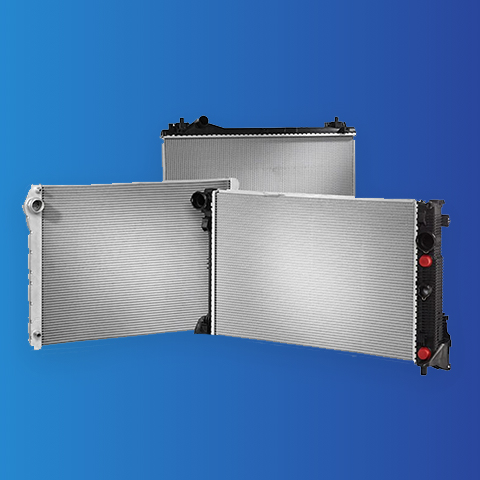
When you find a problem, you have a few options. Understanding the factors affecting radiator repair costs can help you decide on the right choice, which depends on the type of damage and the age of the unit. This applies to everything from truck radiator repair to large industrial heat exchangers.
When to Repair
A radiator repair is often the most practical choice when the issue is isolated and the rest of the unit is still structurally sound. This includes problems like minor leaks, small punctures in the core, or damage to a tank or connection point.
If the overall system is in good condition, a repair can get your equipment back up and running quickly and at a lower cost than other options.
When to Rebuild
A radiator rebuild typically involves replacing the core while keeping the original tanks and framework. This option is ideal when the core has significant damage, blockages, or deterioration that cannot be fixed with a simple repair.
Because the outer components remain usable, a rebuild can restore full performance and extend the life of the unit without the expense of a complete replacement.
When to Replace
A full radiator replacement is usually the best choice when the unit has widespread issues—such as severe corrosion, multiple leaks, or major structural damage. In these cases, repairing or rebuilding the unit may only provide a temporary fix.
A replacement ensures long-term reliability, making it the most cost-effective solution for equipment that needs to perform consistently in demanding conditions.
Frequent Questions About Heavy-Duty Cooler Maintenance
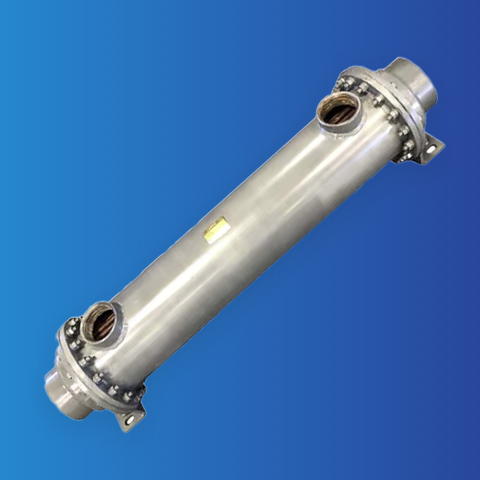
How Often Should You Clean a Heat Exchanger?
The ideal cleaning schedule depends largely on the environment your equipment operates in. In dusty or debris-heavy settings—such as farms, construction sites, or industrial yards—heat exchangers can clog quickly, so a weekly cleaning is often necessary to maintain proper airflow and cooling efficiency.
For machinery used in cleaner or more controlled environments, a monthly inspection and cleaning is usually sufficient. Always watch for early signs of buildup, as some equipment may need more frequent attention during peak seasons or heavy workloads.
Can a Charge Air Cooler Be Repaired?
Yes, a charge air cooler can often be repaired, especially when the issue is limited to minor leaks, cracked tubes, or small areas of external damage. These problems can typically be fixed through welding, tube replacement, or specialized sealing processes.
However, because CAC performance directly affects engine power and efficiency, it’s important to have a professional inspection done. A technician can pressure test the unit, assess internal contamination, and determine whether a repair will restore full performance or if a replacement is the safer choice for your equipment.
What Happens if You Ignore a Small Leak?
A small leak can quickly turn into a major issue if it’s not addressed. Even a slow drip leads to reduced fluid levels, which makes your cooling system work harder and increases the risk of overheating. Leaks also allow dirt, air, and other contaminants to enter the system, accelerating corrosion and internal wear.
Over time, what starts as a minor inconvenience can result in significant engine damage, costly repairs, or unexpected downtime, making early attention well worth it.
Keep Your Cooling Systems Running Strong
Keeping your cooling systems in top shape is essential for maintaining equipment performance, preventing downtime, and extending the life of your machinery. If you notice any warning signs or need professional service, the team at Northland Radiator is here to help. Their technicians provide diagnostics, repairs, rebuilds, and custom solutions tailored to your equipment.
Contact us to discuss your industrial radiator and cooling system needs and keep your operation running smoothly.