


Charge Air Coolers Installation in Red Deer
Premium Quality Charge Air Coolers
Northland Radiator supplies and installs premium-quality charge air coolers designed to restore airflow efficiency and reduce intake air temperatures. A properly functioning charge air cooler helps improve horsepower, protect turbochargers, and support consistent engine operation under load.
Over time, heat stress, vibration, and contamination can lead to leaks, restricted airflow, and reduced cooling efficiency. Our experienced technicians handle charge air cooler installation and related cooling system services with attention to fitment, sealing, and long-term durability.
Prompt service and reliable installation help reduce downtime and prevent repeat failures.

Our Charge Air Cooler Services
Our Red Deer facility supports a wide range of charge air cooler applications with in-house service and trusted product options.
Our services include:
- Charge air cooler inspection and diagnostics
- Professional installation for automotive, fleet, and heavy-duty systems
- Pressure testing to confirm leak-free operation
- Factory-backed and North American warranty options
- Reduced downtime with efficient installation
- Product coverage for a wide range of diesel applications span style
What Services We Offer
Heaters
Heater core inspection and repair to restore cabin heat and eliminate coolant leaks.LEARN MOREAir Conditioning
Automotive and heavy-duty A/C diagnostics, service, and component replacement.LEARN MORECharge Air Coolers
Installation, inspection, pressure testing, and repair to restore airflow and performance.LEARN MOREAutomotive Radiators
Radiator repair and replacement to prevent overheating and engine damage.LEARN MORE
Understanding the Cooling System
Charge air coolers function similarly to radiators and heat exchangers. Compressed air exiting the turbocharger is hot and dense. Before entering the engine, that air passes through the charge air cooler, where heat is transferred to ambient air flowing across the cooler’s tubes and fins.
By lowering intake air temperature, charge air coolers improve combustion efficiency, protect engine components, and support consistent performance under load.
Accurate Diagnosis First
Every A/C repair starts with proper testing. We inspect pressures, temperatures, electrical controls, and refrigerant levels to identify the root cause before recommending repairs.
Repairs Built to Last
We use trusted replacement parts and proven repair methods to restore long-term A/C performance, not temporary fixes that fail after one season.
Prevent Costly Cooling System Failures
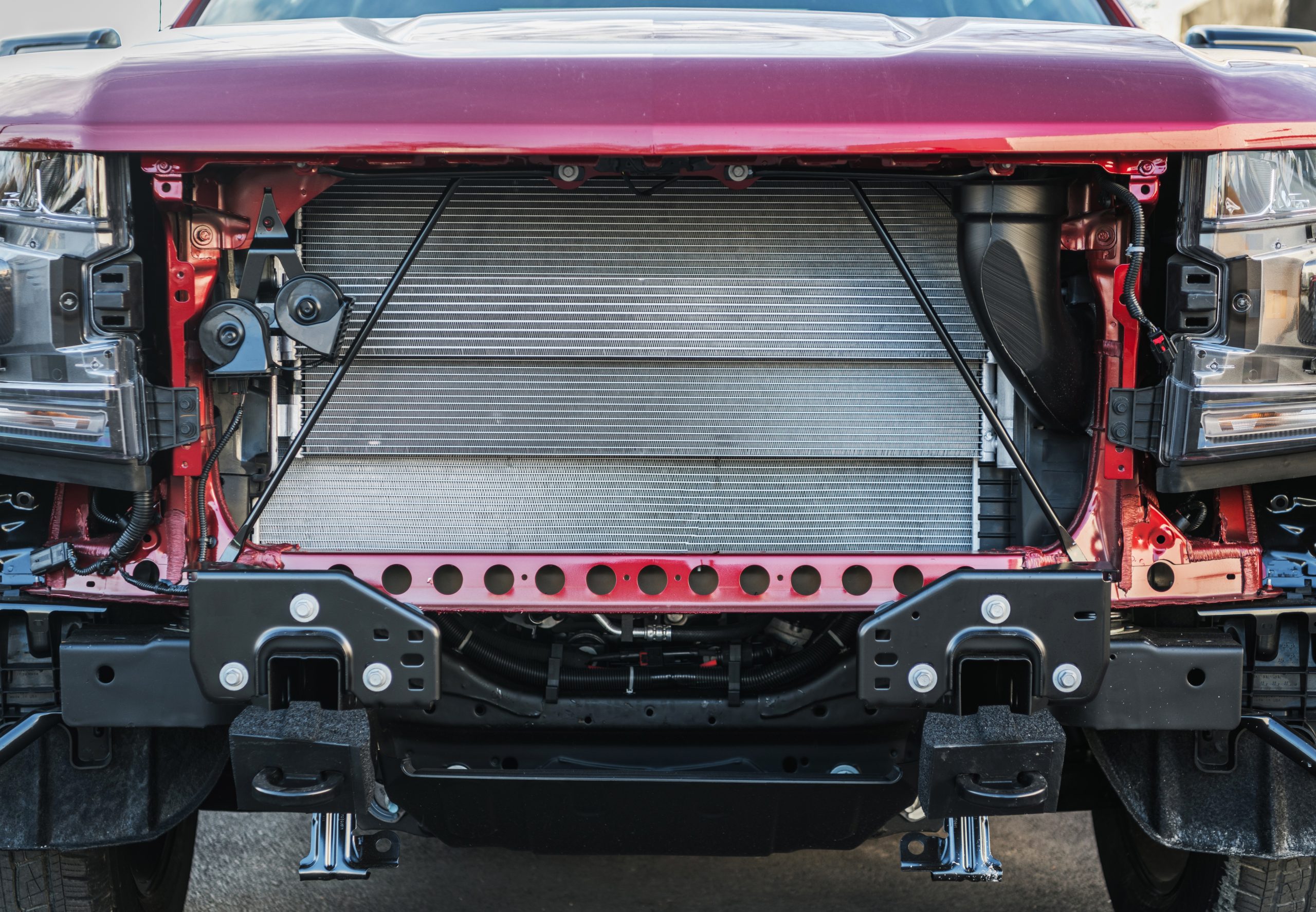
Do Charge Air Coolers Need Replacement?
Charge air coolers are exposed to constant heat, pressure, and vibration. Leaks are the most common cause of failure and can significantly impact engine efficiency and performance.
Common symptoms of charge air cooler failure include:
- Increased fuel consumption
- Reduced engine power or boost pressure
- Higher coolant and exhaust temperatures
- Increased particulate emissions
- Turbocharger strain or failure
In severe cases, horsepower loss can be substantial. While service and cleaning may extend lifespan, many charge air coolers require replacement after years of heavy use, particularly in diesel and fleet applications.

Can Charge Air Coolers Be Serviced?


Why Choose Northland Radiator for Charge Air Cooler Service
Northland Radiator has built a reputation in Red Deer for hands-on expertise with forced induction cooling systems. We work on charge air coolers for turbocharged diesel trucks, supercharged performance vehicles, and heavy equipment every day. Our shop carries the diagnostic tools needed to isolate boost leaks, pinpoint internal fin damage, and test cooler efficiency under pressure. We handle both intercooler repair Red Deer jobs and full replacements, matching the right solution to your engine’s demands. When your turbo system loses power, we find the cause and fix it. That is what we do.
How Charge Air Coolers Work in Turbocharged Systems
A charge air cooler sits between the turbocharger (or supercharger) and the engine’s intake manifold. After the turbo compresses incoming air, that air gets extremely hot. The charge air cooler reduces intake temperatures before the air enters the combustion chamber, which increases air density and improves engine power output.
Two main types exist. Air-to-air intercoolers pass compressed air through a finned core cooled by ambient airflow. These are the most common setup on diesel trucks and many performance vehicles. Air-to-water intercoolers route compressed air through a core cooled by circulating coolant, which allows tighter packaging and consistent cooling under heavy load. Both designs serve the same purpose: deliver cooler, denser air so your engine runs stronger and cleaner.
How Charge Air Coolers Work in Turbocharged Systems
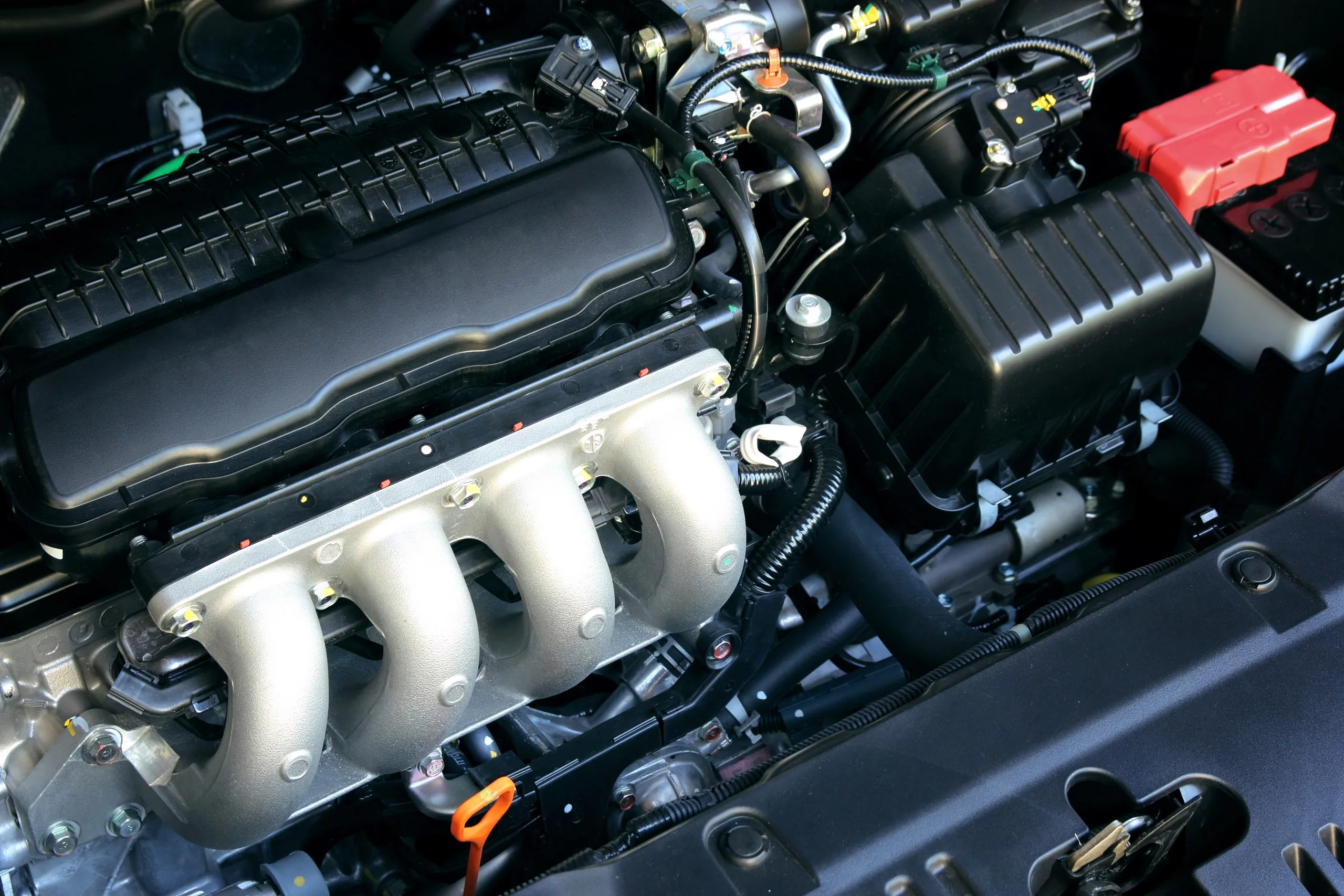
A charge air cooler sits between the turbocharger (or supercharger) and the engine’s intake manifold. After the turbo compresses incoming air, that air gets extremely hot. The charge air cooler reduces intake temperatures before the air enters the combustion chamber, which increases air density and improves engine power output.
Two main types exist. Air-to-air intercoolers pass compressed air through a finned core cooled by ambient airflow. These are the most common setup on diesel trucks and many performance vehicles. Air-to-water intercoolers route compressed air through a core cooled by circulating coolant, which allows tighter packaging and consistent cooling under heavy load. Both designs serve the same purpose: deliver cooler, denser air so your engine runs stronger and cleaner.

Signs Your Charge Air Cooler Needs Repair
Watch for these warning signs that your charge air cooler may be failing:
-
- Loss of boost pressure. The engine feels sluggish under acceleration, and turbo response drops noticeably.
- Black smoke from the exhaust. A damaged cooler allows hot, less dense air into the engine, causing incomplete combustion and visible soot.
- Higher exhaust gas temperatures. Your EGT gauge reads consistently above normal ranges during towing or heavy throttle.
- Oily residue around cooler piping. Oil film on intercooler boots or connections often signals a cracked core or failed seal.
- Check engine light with boost-related codes. Fault codes referencing low boost or turbo underperformance frequently trace back to the charge air cooler.
If any of these symptoms show up, bring your vehicle to our shop before the problem causes further engine damage.
Our Charge Air Cooler Repair Process
We follow a structured approach to diagnose and repair every charge air cooler that comes through our shop:
Visual inspection
We examine the cooler, piping, clamps, and boots for obvious cracks, leaks, or damage from road debris.
Boost leak testing
We pressurize the entire intake system to isolate exactly where air escapes. This step catches hairline cracks and worn seals that visual checks miss.
Core evaluation
We assess internal fin condition and check for oil contamination or blockage that reduces cooling efficiency.
Repair or replacement
Minor leaks and damaged tanks can often be repaired in-house. Coolers with severe internal damage or collapsed fins get replaced with a properly matched unit.
Post-repair verification
After installation, we pressure-test the system again and confirm boost levels return to spec during a test run.
This process applies to everything from pickup truck intercoolers to heavy-duty industrial charge air coolers. We also service related components like oil cooler and heat exchanger repair when multiple cooling systems need attention.

Charge Air Cooler Service in Red Deer and Central Alberta
Our shop in Red Deer serves drivers, fleet operators, and equipment owners across Central Alberta. Whether you are running a turbo diesel on the highway between Lacombe and Red Deer County or operating heavy machinery on a job site, we are set up to handle your charge air cooler work. We stock common replacement coolers and can source specialty units for older or less common applications. For vehicles that cannot be driven in, ask about our options. We also provide automotive radiator repair and industrial radiator service for complete cooling system support.
Frequently Asked Questions About Charge Air Coolers
What does a charge air cooler (intercooler) do?
A charge air cooler reduces the temperature of compressed air after it leaves the turbocharger or supercharger. Cooler air is denser, which means more oxygen enters each combustion cycle. This improves horsepower, reduces exhaust gas temperatures, and lowers emissions. Without a functioning charge air cooler, your engine runs on hot, thin air and loses significant power.
How do I know if my intercooler is leaking?
The most common sign is a noticeable drop in boost pressure and engine performance. You may also see oily residue around the intercooler piping, hear a hissing sound under boost, or get check engine codes related to low turbo pressure. A professional boost leak test is the most reliable way to confirm the issue. Our shop uses pressurized testing to find leaks that are too small to detect by ear or sight alone.
What happens if a charge air cooler fails?
A failed charge air cooler sends hot, low-density air into the engine. This causes reduced power output, increased fuel consumption, and elevated exhaust gas temperatures. Over time, running without proper intake cooling can lead to premature turbocharger wear, piston damage, and costly engine repairs. Addressing a failing intercooler early saves money and prevents breakdowns.
Can a damaged intercooler be repaired or must it be replaced?
It depends on the damage. Cracked end tanks, small external leaks, and damaged mounting tabs can often be repaired in our shop. However, if the internal fins are crushed, severely corroded, or blocked with oil sludge, replacement is the better option. We evaluate every unit and recommend repair when it makes sense, so you are not paying for a new cooler unnecessarily.
Do you service both air-to-air and air-to-water intercoolers?
Yes. We work on both types. Air-to-air intercoolers are the standard setup on most diesel trucks and many turbocharged gasoline vehicles. Air-to-water systems are common in performance builds and some factory applications where packaging space is tight. Each type requires different diagnostic and repair techniques, and our team has experience with both configurations.